
Makeup 101 is the simple place to start when you want beginner beauty basics without feeling confused, rushed, or overwhelmed.
Makeup 101 – Beginner Beauty Basics Made Simple
This guide explains the basic makeup steps, what each product does, and the correct order Michele uses when building a full makeup look.
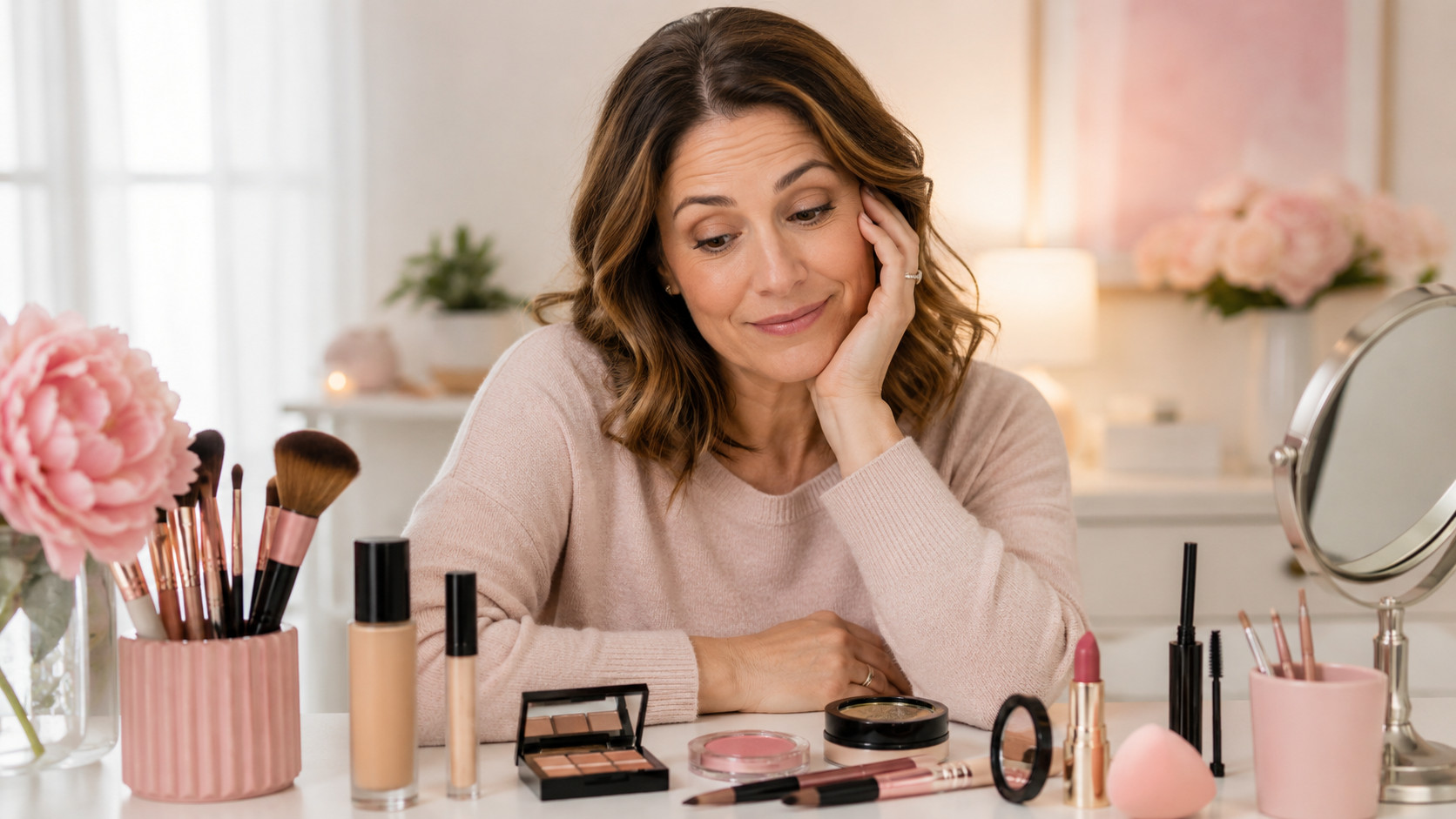
Makeup 101: Start With the Basics
Makeup 101 does not mean learning everything at once. It means understanding the basic purpose of each step so your routine feels less confusing. Once you know what each product is supposed to do, it becomes much easier to decide what you actually need and what you can skip.
You do not need a full glam routine to look polished, but it helps to understand the correct order. Michele’s full makeup order is skin prep, primer, setting spray, brows, eyeshadow, eyeliner, false lashes, mascara, concealer, foundation, contour, blush, setting powder, highlighter, lip liner, lipstick, and final setting spray.
Chele’s Makeup 101 rule
Learn the purpose before you buy the product. You do not need every product you see online. You only need the ones that help your face look fresh, balanced, and like you.
Makeup 101 Step 1: Skin Prep
Skin prep is the first basic step because makeup sits on top of your skin. If your skin feels dry, tight, oily, or rough, makeup may not apply as smoothly. Start with clean skin, then use moisturizer that fits your skin type.
During the day, sunscreen should come before makeup. Give your skincare a little time to settle before applying makeup. This can help prevent makeup from separating, pilling, or looking heavy.
Makeup 101 Step 2: Primer
Primer comes after skin prep and before setting spray in Michele’s routine. Primer helps smooth the surface of the skin and gives makeup something to grip to before the rest of the look begins.
You do not have to use primer all over the face. Apply it where you need help with texture, pores, oil, dryness, or makeup separating, then let it settle before moving to setting spray.
Makeup 101 Step 3: Setting Spray
In Michele’s routine, setting spray can be used after primer before moving into brows and eye makeup. This is one of her tricks for helping makeup grip better and last longer.
Setting spray is also used again at the end of the routine. The first spray helps prepare the face for makeup, while the final spray helps the finished layers settle together.
Makeup 101 Step 4: Brows
Brows help frame the face, so Michele likes doing them before the rest of the makeup is finished. You do not have to make brows harsh or overly carved. A little shape and soft filling can make the face look more balanced.
Beginners can start with a pencil, powder, brow gel, or stencil if brow shape feels difficult. The goal is to make the brows look clean and natural enough to support the eye makeup.
Makeup 101 Step 5: Eyeshadow, Eyeliner, False Lashes, and Mascara
Eye makeup comes before concealer and foundation in Michele’s order. This helps because eyeshadow fallout, eyeliner mistakes, or lash glue marks can be cleaned up before the face base is finished.
Start with eyeshadow, then apply eyeliner. If you are wearing false lashes, apply them after eyeliner. Mascara goes after the false lashes so it can help attach your natural lashes into the false lashes and make them look more blended.
Makeup 101 Step 6: Concealer
Concealer comes before foundation in Michele’s regular full makeup order. Use it under the eyes or anywhere you want extra brightness or correction. Tap it in gently instead of dragging it across the skin.
You do not have to use a heavy amount of concealer. A thin layer is easier to blend and usually looks smoother, especially around the under-eye area.
Makeup 101 Step 7: Foundation
Foundation comes after concealer in Michele’s routine. Foundation helps even the skin and pull the base together. You do not have to cover your whole face heavily. A small amount in the areas that need it often looks softer than a thick layer everywhere.
If your makeup tends to look dry, patchy, or heavy, the issue may be too much product, not enough skin prep, or too much powder. You can learn more here: Cakey Makeup – How to Fix It .
Makeup 101 Step 8: Contour
Contour adds soft shape to the face after foundation. It can be placed around the forehead, under the cheekbones, and along the jawline, depending on where you want definition.
Beginners should start with less product than they think they need. Contour should create soft shadow, not a harsh stripe that is hard to blend.
Makeup 101 Step 9: Blush
Blush comes after contour and brings life back to the face. Without blush, foundation can sometimes make the skin look flat. A soft blush shade can make makeup look fresher and more awake.
Placement matters. For a lifted look, blush should sit higher on the cheek, beginning around the center of the iris and sweeping upward. It should sit above the contour area instead of low on the cheek.
For a full placement guide, visit: Blush Placement for Mature Faces .
Makeup 101 Step 10: Setting Powder
Setting powder comes after blush in Michele’s routine. Powder helps set the areas that crease, move, or get shiny, but you do not have to powder the entire face.
If your skin is dry, use a lighter hand. Too much powder can make makeup look heavier, especially around texture or dry areas.
Makeup 101 Step 11: Highlighter
Highlighter comes after setting powder. It adds glow back to the high points of the face, such as the tops of the cheekbones, the bridge of the nose, or wherever light naturally catches.
A little highlighter can look polished and fresh. Too much can emphasize texture, so beginners should start lightly and build only if needed.
Makeup 101 Step 12: Lip Liner and Lipstick
Lip liner comes before lipstick. Lip liner helps shape the mouth, define the edges, and keep lip color looking cleaner. Lipstick, gloss, tinted balm, or lip oil can then finish the face.
Choose shades that bring life back to your face, like rose, mauve, peachy pink, soft berry, warm nude, or a shade slightly deeper than your natural lip color.
For more help, visit: How to Pick Lipstick Colors That Don’t Wash You Out .
Makeup 101 Step 13: Final Setting Spray
Final setting spray is the last step in Michele’s order. It helps the finished makeup look softer and more settled. Michele may spray, let it dry fully, and spray again because she is not scared of setting spray.
The final spray should come after lipstick so the full face is complete before the makeup is set.
Michele’s full makeup order
Skin prep, primer, setting spray, brows, eyeshadow, eyeliner, false lashes, mascara, concealer, foundation, contour, blush, setting powder, highlighter, lip liner, lipstick, and final setting spray.
Beginner Makeup Guide Library
Use this guide library as your next step after Makeup 101. Each section is grouped by what you are trying to learn, so you can start simple and build your makeup routine without feeling overwhelmed.
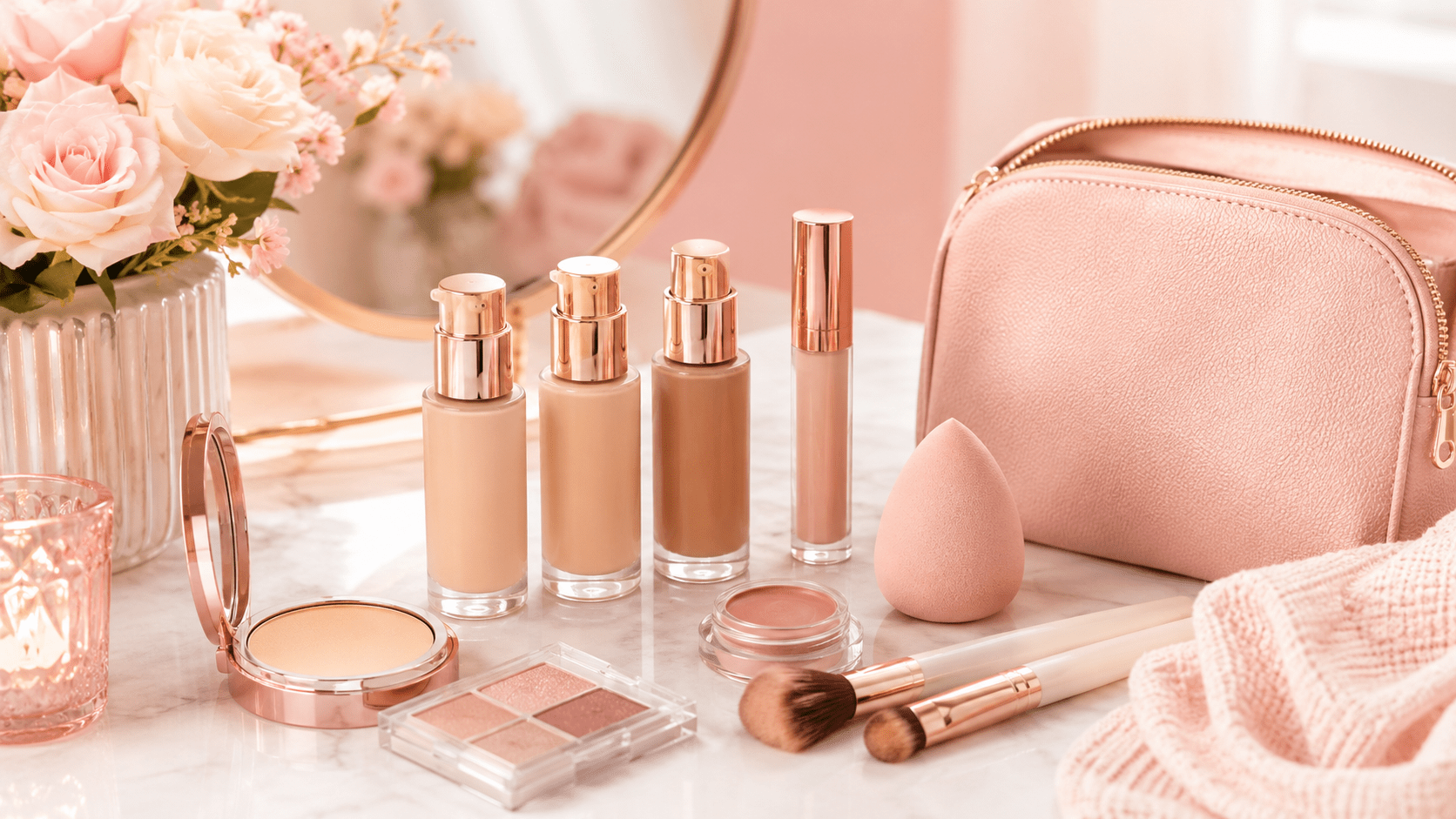
First Things First
Start with the beginner basics that make makeup easier to understand: foundation matching, concealer placement, brushes, makeup bag essentials, and budget-friendly starter products.
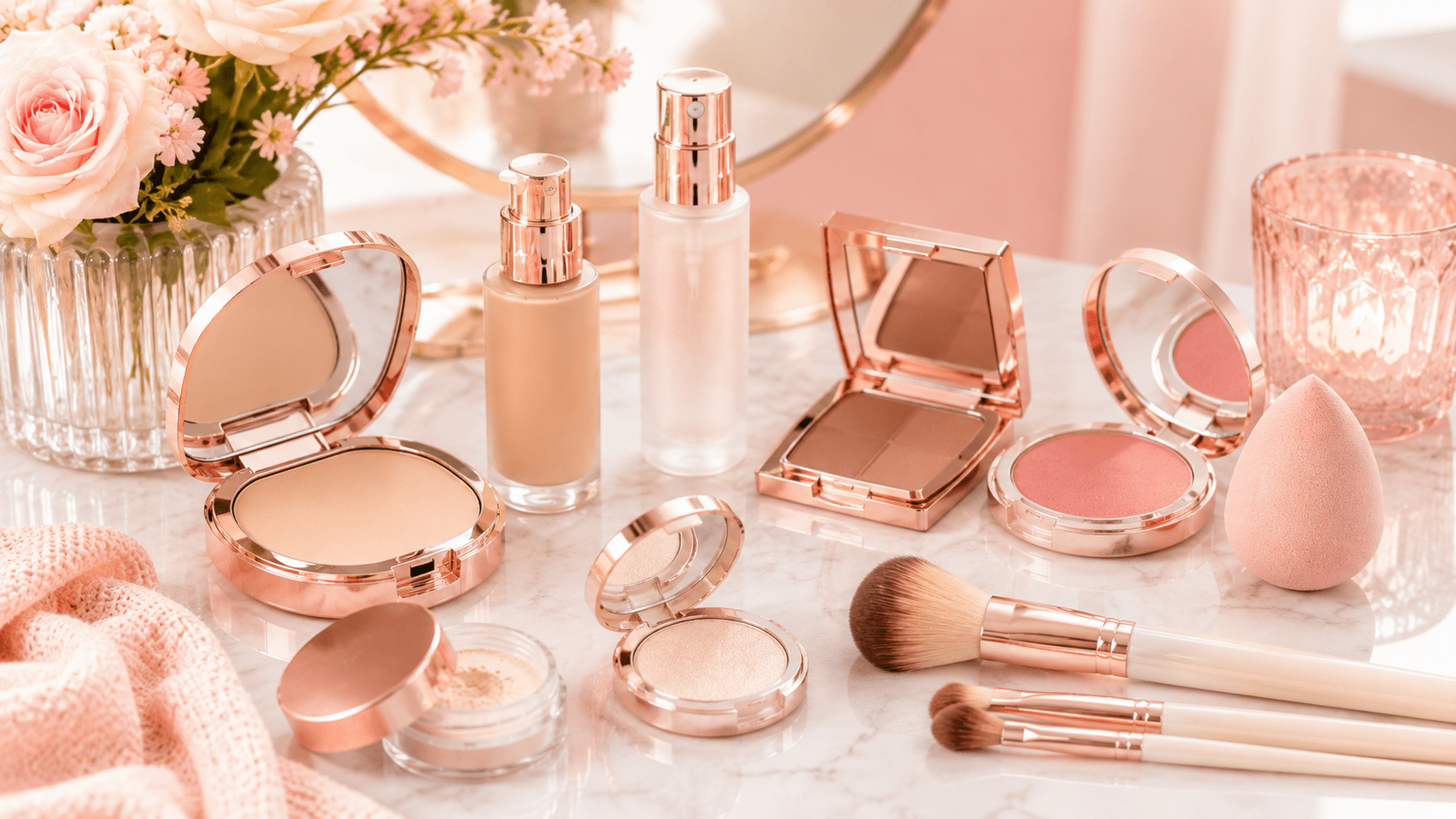
Face Makeup Help
These guides help with the face makeup steps that make the biggest difference: smoother foundation, softer powder, bronzer, contour, highlighter, longer wear, and easy touch-ups.
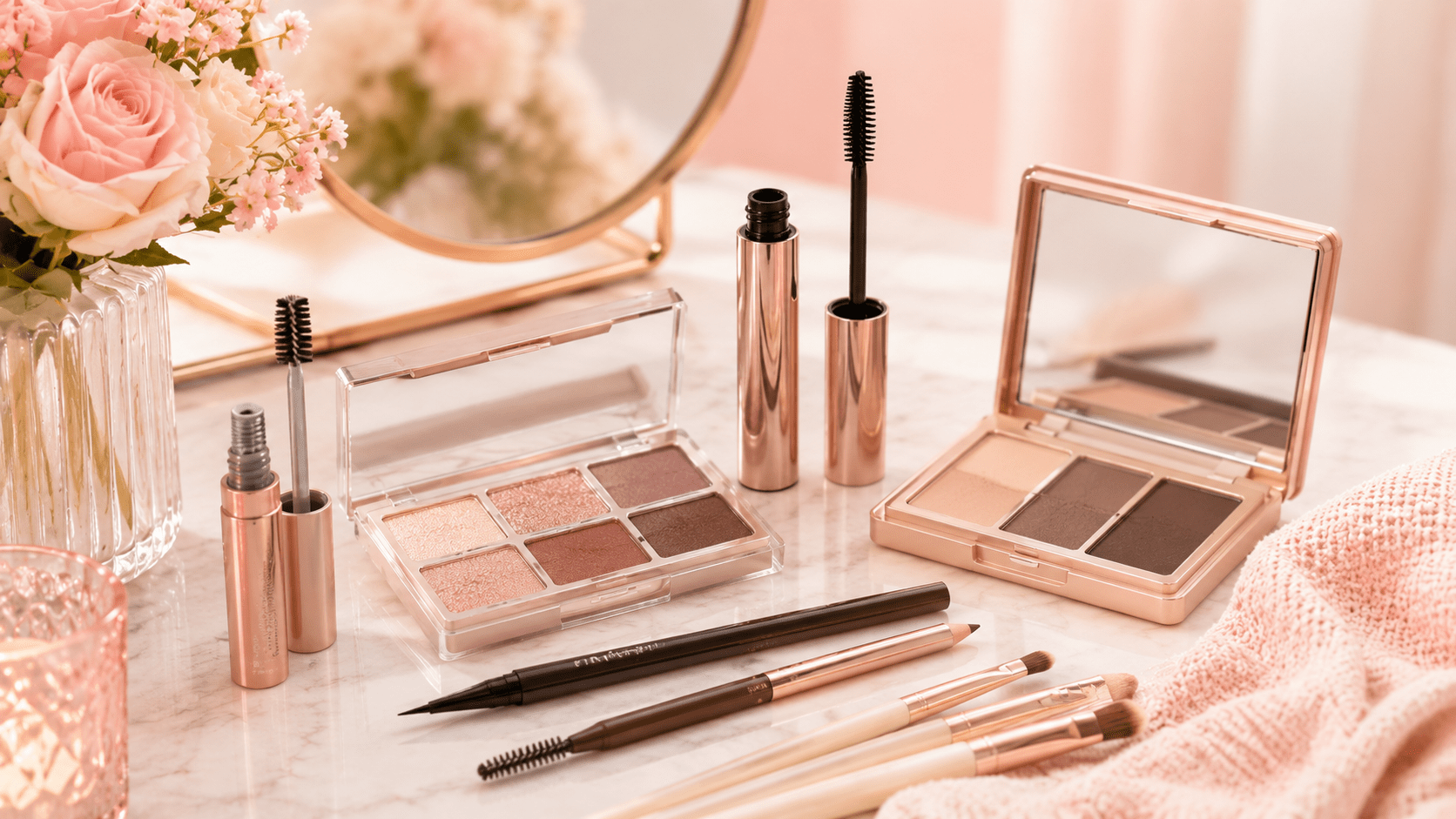
Eye Makeup Help
Eye makeup can feel intimidating at first, but it gets easier when you break it into simple pieces: brows, shadow, liner, false lashes, mascara, hooded eye placement, and soft definition.
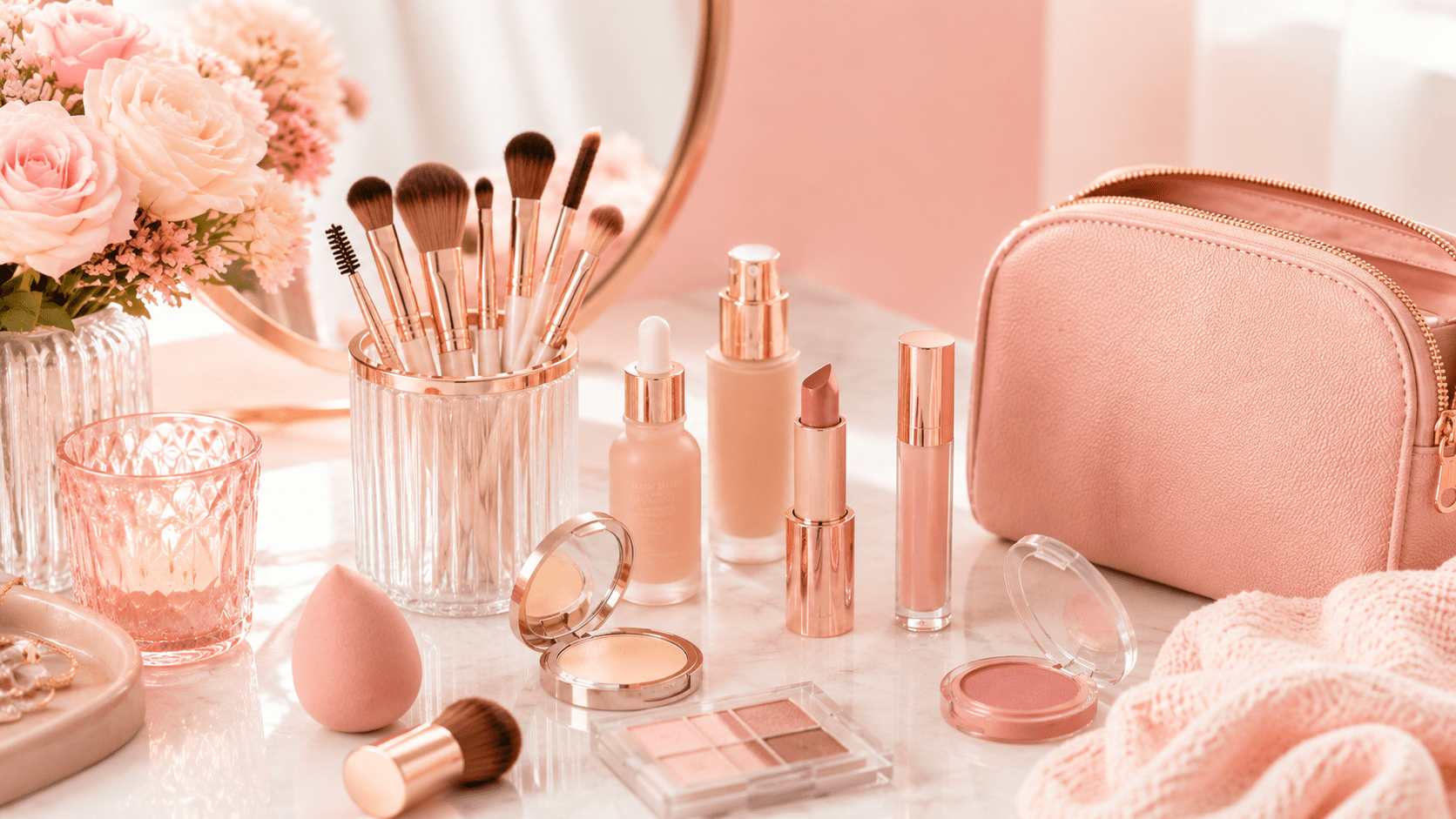
Looks, Tools & Favorites
Once the basics feel easier, these guides help you build simple looks, choose useful tools, shop favorites, clean your brushes, and avoid common beginner mistakes.
What You Do Not Need Right Away
Makeup 101 is also about knowing what you can skip. Beginners do not need to buy every product at once. You do not need contour, false lashes, glitter shadow, baking powder, or ten brushes just to start.
- You can skip contour until your base makeup feels easy.
- You can skip false lashes until eyeliner and mascara feel easier.
- You can skip eyeshadow if mascara is enough for now.
- You can skip full-coverage foundation if light coverage looks better.
- You can skip trends that do not fit your face or your lifestyle.
The best routine is the one you can repeat without stress.
Final Thoughts on Makeup 101
Makeup 101 is about building confidence one simple step at a time. Start with skin prep, primer, setting spray, brows, eyes, concealer, foundation, cheek color, powder where needed, lips, and final setting spray.
You do not need to learn everything today. You only need a starting point that makes makeup feel less overwhelming and more like something you can enjoy.
For general cosmetic safety information, you can also visit the official FDA cosmetics information page .