
Lipstick colors can either brighten your face or make you look washed out, and the difference often comes down to undertone, depth, and softness.
How to Pick Lipstick Colors That Don’t Wash You Out
If lipstick ever makes your skin look tired, gray, dull, or flat, the shade may be too pale, too cool, too beige, or too close to your natural skin tone.
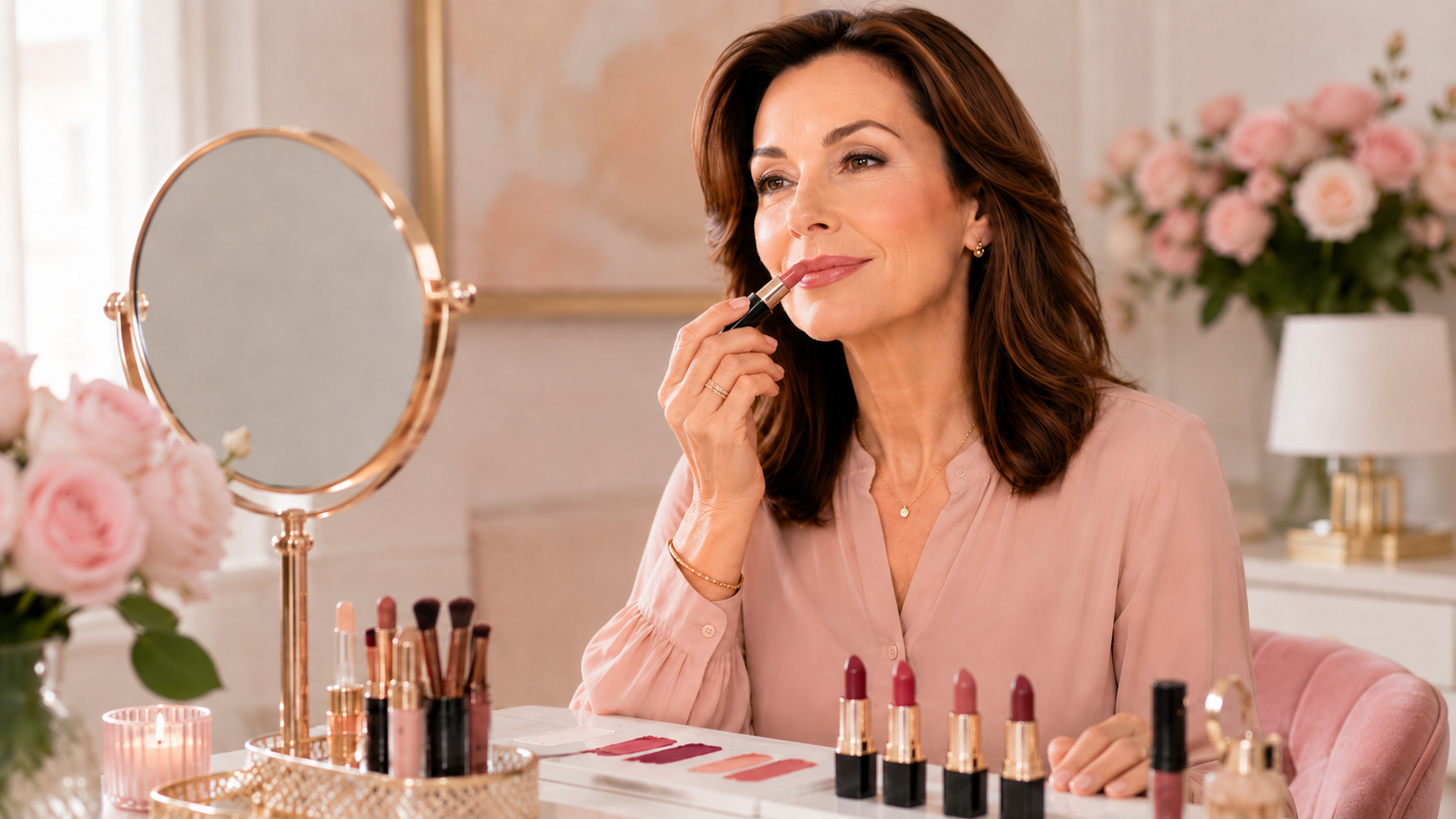
Lipstick Colors: Why Some Shades Wash You Out
Lipstick colors can completely change how awake and balanced your face looks. A flattering lipstick can make your eyes look brighter, your skin look healthier, and your makeup feel more finished. But the wrong lipstick color can do the opposite. It can make the face look tired, pale, gray, or older than it really is.
This does not mean you have to wear bold lipstick every day. It simply means your lipstick needs enough life in it to bring your face forward. Many women struggle with nude lipstick because some nude shades are too beige, too gray, or too close to the natural skin tone. Instead of looking soft, they can make the lips disappear.
Chele’s lipstick rule
Choose lipstick colors that add life back to your face. If a shade makes your lips disappear or your skin look dull, try a little more rose, berry, peach, mauve, or warmth.
Lipstick Colors Should Have Enough Depth
One of the biggest reasons lipstick washes someone out is because the shade is too light. A very pale nude may look beautiful in the tube, but once it is on the lips, it can erase the natural shape of the mouth. This can make the face look flat, especially if the rest of the makeup is soft.
A good lipstick color should have enough depth to show up against your skin. It does not have to be dark, but it should not disappear. If you love nude lipstick, look for nude shades with a little pink, rose, peach, caramel, or mauve instead of a flat beige.
Lipstick Colors and Undertones
Undertone matters because lipstick sits close to the face and can make the skin look either balanced or off. Some people look better in warmer lipstick colors, while others look better in cooler or softer shades. The goal is not to follow strict rules but to notice what makes your face look healthier.
If warm lipstick turns orange on you, try rose, mauve, soft berry, or neutral pink. If cool lipstick makes you look gray or harsh, try peachy pink, warm rose, caramel nude, or soft coral. If beige lipstick makes you look tired, choose a shade with more color in it.
Try a lipstick with more rose, berry, or mauve so your lips do not disappear.
Choose warmer lipstick colors with peach, rose, or soft brown tones.
Try neutral pink, mauve, rose, or berry shades instead.
Apply lightly, blot, or choose a softer version of the same color family.
Best Lipstick Colors for a Softer Everyday Look
The best lipstick colors for everyday makeup usually look like a better version of your natural lips. These shades do not have to be dramatic. They just need enough color to bring definition and softness back to the face.
- Rosy nude for soft everyday definition.
- Mauve pink for a gentle, polished look.
- Soft berry for brightness without looking too bold.
- Warm rose for a healthy, flattering lip color.
- Peachy pink for warmth and freshness.
- Caramel nude for a warmer natural lip look.
If you are not sure where to start, choose a lipstick that is one or two shades deeper than your natural lip color. That usually gives the lips enough shape without making the look feel heavy.
Lipstick Colors for Mature Makeup
As skin changes, lipstick colors can look different than they used to. A shade that once looked soft may now look too pale. A shade that once looked bright may now feel too strong. This is normal, and it does not mean you cannot wear lipstick anymore. It just means your best shades may have shifted.
For mature makeup, softer color with enough depth usually looks more flattering than a chalky nude or a very flat matte shade. A satin, cream, balm, gloss, or softly blurred finish can make the lips look more comfortable and less dry.
How to Test Lipstick Colors Before Deciding
When testing lipstick colors, look at your whole face, not just your lips. A flattering shade should make your skin look a little brighter and your features look more balanced. If the lipstick makes you feel like you need more makeup everywhere else, it may not be your easiest shade.
Also test lipstick in natural light when possible. Store lighting can change how colors appear. A lipstick that looks perfect under warm indoor lights may look very different near a window or outside.
Common Lipstick Mistakes That Wash You Out
The most common lipstick mistake is choosing a nude that is too close to the skin tone. The second mistake is choosing a color that has the wrong undertone for your face. The third is choosing a very dry formula that makes the lips look flat or textured.
- Avoid chalky pale nude shades if they make your lips disappear.
- Be careful with gray-beige tones if they make your skin look dull.
- Use lip liner softly if your lip shape needs more definition.
- Try a cream or satin finish if matte lipstick feels too dry.
- Blot bold shades to make them softer and more wearable.
Lipstick should help your face look more alive, not make you feel like something is missing.
Lipstick Colors and the Rest of Your Makeup
Lipstick colors also need to work with your blush and eye makeup. If your blush is warm peach and your lipstick is very cool purple, the look may feel disconnected. If your blush is rosy, a rose or mauve lip may feel more balanced. The shades do not have to match exactly, but they should look like they belong together.
This is why blush and lipstick can work as a pair. A little color on the cheeks and lips can make a simple makeup routine look finished, even when you skip eyeshadow. If you are still learning the basics, you may also like: Makeup for Beginners .
Final Thoughts on Lipstick Colors
Lipstick colors do not have to be complicated. The best shade is one that makes your face look brighter, your lips look defined, and your makeup feel more balanced. If a lipstick washes you out, try something with more rose, berry, peach, mauve, or warmth.
You do not have to wear bold lipstick to look put together. You just need a shade that brings your face back to life.
For general cosmetic safety information, you can also visit the official FDA cosmetics information page .