
Makeup By Chele Video Tutorial
Purple Eyeshadow Over 50 – Powerful Makeup Tutorial
Purple eyeshadow over 50 can be bold, soft, flattering, and beautiful when the color is placed with intention. Purple does not have to look too young, too harsh, or too dramatic. The secret is choosing the right shade, keeping the edges blended, and letting the color add life to the eyes.
This tutorial is for women who want to wear color with confidence. Purple eyeshadow can brighten the look of the eyes, add personality to a full beat, and make mature makeup feel fresh without looking overdone.
If you have avoided purple because you thought it was too much, this page will help you see how wearable it can be when the placement and blending are done softly.
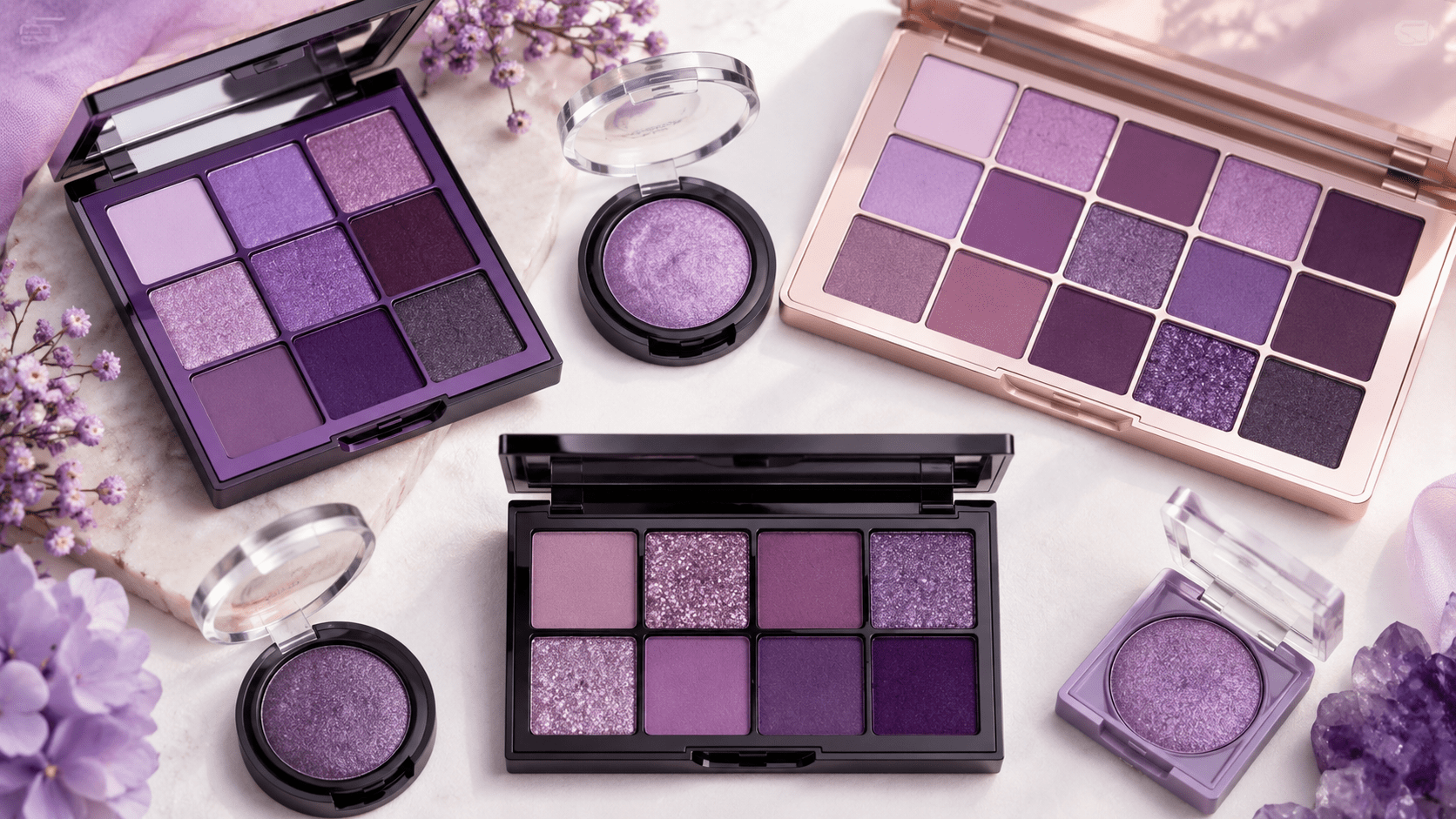
Purple eyeshadow palettes with lavender, mauve, plum, and violet shades for this purple eyeshadow over 50 tutorial.
Purple Eyeshadow Over 50: Why It Works
Purple eyeshadow over 50 works because purple can bring softness, contrast, and brightness to the eyes. It can be more interesting than brown, softer than black, and more flattering than some harsh cool grays. Purple also has many different versions, from soft lavender to deep plum, so it can be adjusted for everyday makeup or a more dramatic look.
Many women over 50 are told to avoid color, shimmer, or anything bold. That advice is too limiting. Mature makeup does not have to be plain. The goal is not to erase personality. The goal is to use color in a way that lifts the face, flatters the eyes, and still feels wearable.
Purple eyeshadow can be especially pretty when it is paired with soft skin, blended edges, defined lashes, and a polished lip. The color gives the look personality without needing heavy black shadow or thick liner.
Michele’s tip: purple eyeshadow does not have to cover the whole eyelid. Sometimes a little plum or violet on the outer corner, lash line, or lower edge of the eye is enough to make the whole look pop.
How to Wear Purple Eyeshadow Over 50
The easiest way to wear purple eyeshadow over 50 is to treat it like an accent color first. You do not have to start with a full purple eye look. You can use a soft mauve in the crease, a lavender shimmer on the lid, or a deeper plum close to the lash line.
Placement matters. If the purple is placed too high or blended too far out, it can look messy instead of polished. Keep the deepest shade controlled and use softer shades to blend the edges.
1. Start With a Soft Base
Prep the eyelid with a thin layer of eye primer or concealer. Set only if needed. If the eyelid is dry or textured, avoid using too much powder before shadow because it can make blending harder.
2. Use a Gentle Transition Shade
Before adding purple, use a soft neutral, mauve, or rosy-brown transition shade. This helps the purple blend into the skin instead of looking like a sharp block of color.
3. Add Purple Slowly
Tap purple shadow onto the lid, outer corner, or lash line in light layers. It is easier to build color than to remove too much. Start soft, then deepen only where you want more definition.
4. Keep the Deepest Shade Controlled
Deep plum or eggplant shades are beautiful, but they can look heavy if they spread too far. Keep deeper purple near the outer corner or lash line for shape and depth.
5. Blend the Edges
Use a clean blending brush to soften the edges. The goal is not to erase the purple. The goal is to make the color fade softly so the look feels intentional.
6. Finish With Lashes and Mascara
Defined lashes help purple eyeshadow look finished. Mascara, false lashes, or a soft lash-line definition can help balance the color and keep the eyes lifted.
Best Purple Shades for Mature Eyes
Not every purple shade has the same effect. A soft lavender can look light and fresh. A mauve-purple can look romantic and wearable. A plum shade can add depth without being as harsh as black. A violet shimmer can add brightness when used carefully.
For mature eyes, smoother formulas are often easier to wear than chunky glitter. Shimmer can still be beautiful, but very large sparkle particles may emphasize texture. If you love shimmer, place it on the smoothest part of the lid and keep it controlled.
Lavender
Soft lavender can brighten the lid and make purple feel lighter and more approachable.
Mauve Purple
Mauve-purple shades are easy to wear because they sit between neutral and colorful.
Plum
Plum gives definition without looking as harsh as black or very dark brown.
Violet Shimmer
Violet shimmer can be beautiful on the lid when it is placed lightly and blended softly.
Common Purple Eyeshadow Mistakes to Avoid
The biggest mistake with purple eyeshadow over 50 is applying too much color too fast. Purple can be strong, so it is better to build the shade slowly. A light layer can look soft and pretty, while too much at once can look patchy or hard to blend.
Another mistake is skipping a transition shade. Purple often blends better when it has a soft neutral shade around it. This keeps the edge from looking harsh and helps the look feel more flattering.
Be careful with the lower lash line too. A little purple under the eye can be beautiful, but too much dark purple underneath can pull the eye downward or make the under-eye area look tired. Keep it soft and close to the lashes.
Beginner reminder: if the purple looks too strong, do not panic. Use a clean brush to soften the edges, then tap a little neutral shadow around the outside to calm it down.
How Purple Eyeshadow Fits Into a Full Beat
Purple eyeshadow can fit beautifully into a full beat makeup routine. Start with skin prep before makeup, then move into primer, setting spray before makeup, brows, and eyeshadow before the face base.
Doing eyes before foundation helps because purple shadow can have fallout. If any shadow drops under the eye, you can clean it before applying concealer and foundation. This keeps the base smoother and prevents purple shadow from smearing into the under-eye area.
After the eyes are finished, continue with concealer, foundation, contour, blush, setting powder, highlighter, lips, and final setting spray.
For general cosmetics safety and hygiene, you can review guidance from the FDA cosmetics safety page. Clean brushes matter, especially with eye makeup.
Purple Eyeshadow Over 50 FAQ
Can women over 50 wear purple eyeshadow?
Yes. Purple eyeshadow over 50 can be beautiful when the shade is flattering, the placement is controlled, and the edges are blended softly.
What purple eyeshadow shade is best for mature eyes?
Lavender, mauve, plum, violet, and eggplant shades can all work. Softer purples are easier for daytime, while deeper plum shades can add evening definition.
Does shimmer eyeshadow make mature eyes look older?
Not always. Smooth shimmer can look beautiful when used lightly. Very chunky glitter can emphasize texture, so controlled placement matters.
How do I keep purple eyeshadow from looking too harsh?
Use a soft transition shade first, apply purple in thin layers, keep deeper shades close to the lash line or outer corner, and blend the edges with a clean brush.
Should purple eyeshadow go under the eye?
It can, but use a small amount. Keep the color close to the lower lashes and avoid dragging dark purple too low under the eye.
What lipstick goes with purple eyeshadow?
Soft pink, mauve, nude rose, berry, or a balanced neutral lipstick can pair well with purple eyeshadow. Keep the lip color coordinated so the look feels polished.
You just watched the purple eyeshadow over 50 tutorial. Go back to the main tutorial library to choose the next step in Michele’s makeup routine.
Back to Makeup Tutorials