
Makeup By Chele Tutorial
How to Apply Blush – Easy Beginner Makeup Guide
How to apply blush is one of the prettiest makeup skills to learn because blush brings life, softness, and warmth back into the face after foundation and concealer. When blush is placed well, the whole makeup look can appear fresher and more lifted.
If you are learning how to apply blush as a beginner, the biggest thing to remember is that placement matters just as much as color. Blush can make the face look lifted, rounder, softer, or more sculpted depending on where you put it.
This guide will show you how to apply blush in a simple way, including where to place it, how to blend it, how much to use, and how to choose between cream blush and powder blush. It is part of the full Makeup Tutorials series.
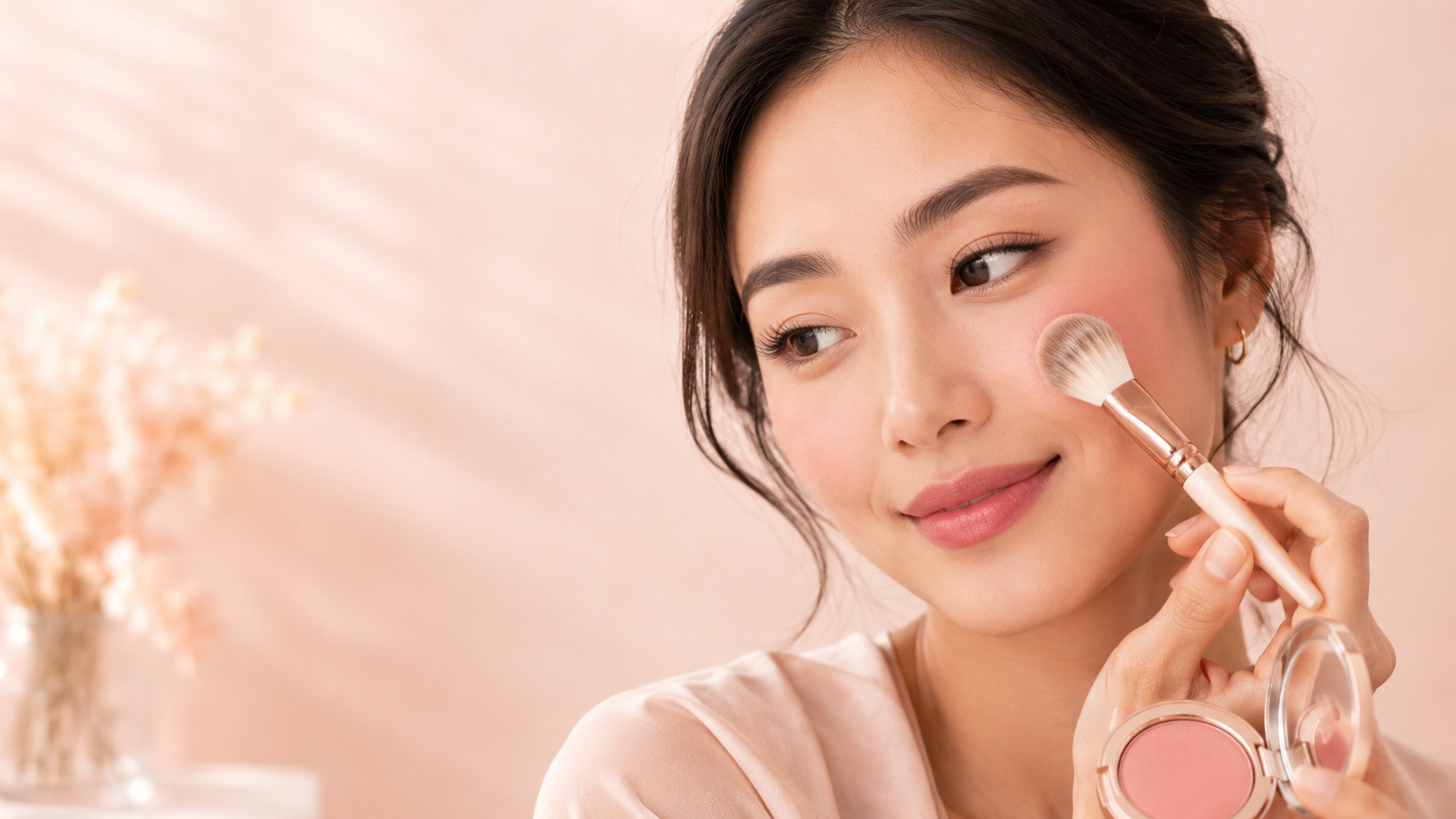
How to Apply Blush for Beginners
Learning how to apply blush starts with understanding what blush does for the face. Foundation and concealer even out the skin, but they can also remove some of the natural color from your cheeks. Blush brings that healthy color back.
The biggest beginner mistake is applying blush too low, too close to the nose, or using too much product at once. A little blush can be beautiful, but too much can overpower the rest of the makeup. The trick is to start small, blend well, and build slowly.
Once you understand how to apply blush in light layers, it becomes much easier to create a soft, flattering cheek color that looks intentional instead of harsh.
How to Apply Blush Step by Step
The easiest way to learn how to apply blush is to start with a small amount and place it where you want the face to look lifted. Blush should blend into the skin instead of sitting on top like a stripe.
1. Finish Foundation and Concealer First
Blush usually goes on after foundation and concealer. Once your base is even, you can see where the face needs color and warmth again.
2. Choose Cream or Powder Blush
Cream blush can look soft and skin-like, especially on dry or mature skin. Powder blush can be easier to control and may last better on oily skin.
3. Start With Less Product
Tap off extra powder or use only a tiny amount of cream blush. Starting light gives you control and helps prevent a patchy or overly bright cheek.
4. Smile Gently, Then Relax
You can smile gently to find the apples of your cheeks, but relax your face before blending upward. This helps keep blush from ending up too low.
5. Place Blush Slightly Higher
For a lifted look, place blush a little higher on the cheeks and blend toward the temples. Avoid dragging the color too far down toward the mouth.
6. Blend the Edges
The color should be strongest where you first place it, then softly fade into the rest of the makeup. Blending the edges makes blush look natural.
7. Build Slowly
If you want more color, add another light layer instead of applying a lot at once. Blush is easier to build than it is to remove.
8. Check Both Sides
Look straight into the mirror and make sure both cheeks look balanced. They do not have to be perfect twins, but the placement should feel even.
Chele’s pro tip: if your blush looks too strong, do not panic. Take the sponge or brush you used for foundation and lightly tap around the edges to soften the color.
Cream Blush vs Powder Blush
When learning how to apply blush, it helps to understand the difference between cream and powder formulas. Neither one is wrong. The best choice depends on your skin type, the finish you like, and what other products you are wearing underneath.
Cream Blush
Cream blush usually gives a fresh, dewy, skin-like finish. It can be beautiful on dry skin or mature skin because it does not always look as powdery. Apply it before heavy powder.
Powder Blush
Powder blush is easy to control and can work well after setting powder. It is often a good choice if your skin gets oily or if you want a soft matte cheek.
You can also layer them carefully. A tiny amount of cream blush first, then a light touch of powder blush on top, can help the color last longer. Just keep the layers thin so the cheek does not look heavy.
How to Apply Blush for a Lifted Look
A big part of learning how to apply blush is learning placement. If blush is placed too low, it can pull the face downward. If it is placed slightly higher and blended back, it can give a more lifted effect.
For a lifted look, focus the blush on the upper part of the cheek and blend back toward the temple. Keep most of the color away from the lower cheek and the area too close to the nose. This placement can make the face look brighter and more awake.
- Keep blush slightly higher on the cheek.
- Blend back toward the temple instead of straight down.
- Use light layers so the color stays soft.
- Avoid placing too much blush beside the nose.
- Soften edges with your foundation sponge if needed.
If your face shape is different from someone else’s, your blush placement may be different too. Use the tutorial as a guide, then adjust the placement to what flatters your face.
Blush Mistakes to Avoid
A big part of learning how to apply blush is knowing what can make blush look harsh. Most blush mistakes come from using too much product, placing it too low, or not blending the edges enough.
Using Too Much at Once
Blush can go from soft to too bright very quickly. Start with a small amount and add more only after blending.
Placing It Too Low
Blush placed too low can drag the face down. Try keeping the color higher on the cheek for a fresher look.
Forgetting to Blend
Blush should not have a harsh edge. Blend the outer edges into your foundation, bronzer, or powder so everything looks soft.
Choosing the Wrong Formula
If your blush always looks patchy, the formula may not be working well with your foundation or powder. Cream and powder products layer differently.
What Comes After Blush?
After you learn how to apply blush, the next step in the makeup routine is usually bronzer. Blush adds color and life, while bronzer adds warmth and shape. Together, they help the face look more balanced after foundation and concealer.
Next, go to how to apply bronzer. After that, you can move into how to apply highlighter, how to apply eyeshadow, how to fill in brows, and how to apply lip liner.
If you need to go back, visit how to apply foundation or how to apply concealer. If you want the full routine, go to the full beat makeup tutorial or return to the main makeup tutorials hub.
For general cosmetic safety and hygiene, you can also review the FDA cosmetics safety page. Clean brushes matter because blush is applied directly to the cheeks.
Related Makeup Tutorials
Use these pages next to keep building your makeup routine in the right order.
How to Apply Blush FAQ
Where should blush be placed?
Blush can be placed on the apples of the cheeks and blended upward, or slightly higher on the cheek for a lifted look. Avoid placing it too low.
Should blush go before or after powder?
Cream blush usually works best before powder. Powder blush usually works best after setting powder. This helps the formulas blend more smoothly.
How do I fix too much blush?
Use your foundation sponge or a clean brush to tap over the edges. You can also lightly dust a small amount of powder over the blush to soften it.
Once you know how to apply blush in soft, lifted layers, your makeup can look fresher, warmer, and more balanced without looking overdone.
Want to keep learning? Go back to the main tutorial library and choose the next makeup step. This how to apply blush guide is one step in the full beginner makeup tutorial series.
Back to Makeup Tutorials