
Makeup By Chele Tutorial
How to Apply Foundation – Easy Beginner Makeup Guide
How to apply foundation is one of the first makeup skills most beginners want to learn, because foundation affects the way every other product looks on top of the skin. When foundation is blended well, the rest of your makeup usually looks smoother, softer, and more polished.
Foundation does not have to look cakey, heavy, or mask-like. The secret is skin prep, choosing the right amount of product, using thin layers, and blending before adding more. This beginner guide will walk you through how to apply foundation in a simple way that feels realistic for everyday makeup.
This page is part of the Makeup Tutorials section on Makeup By Chele. After you learn foundation, the next step is learning how to apply concealer so your base looks even more finished.
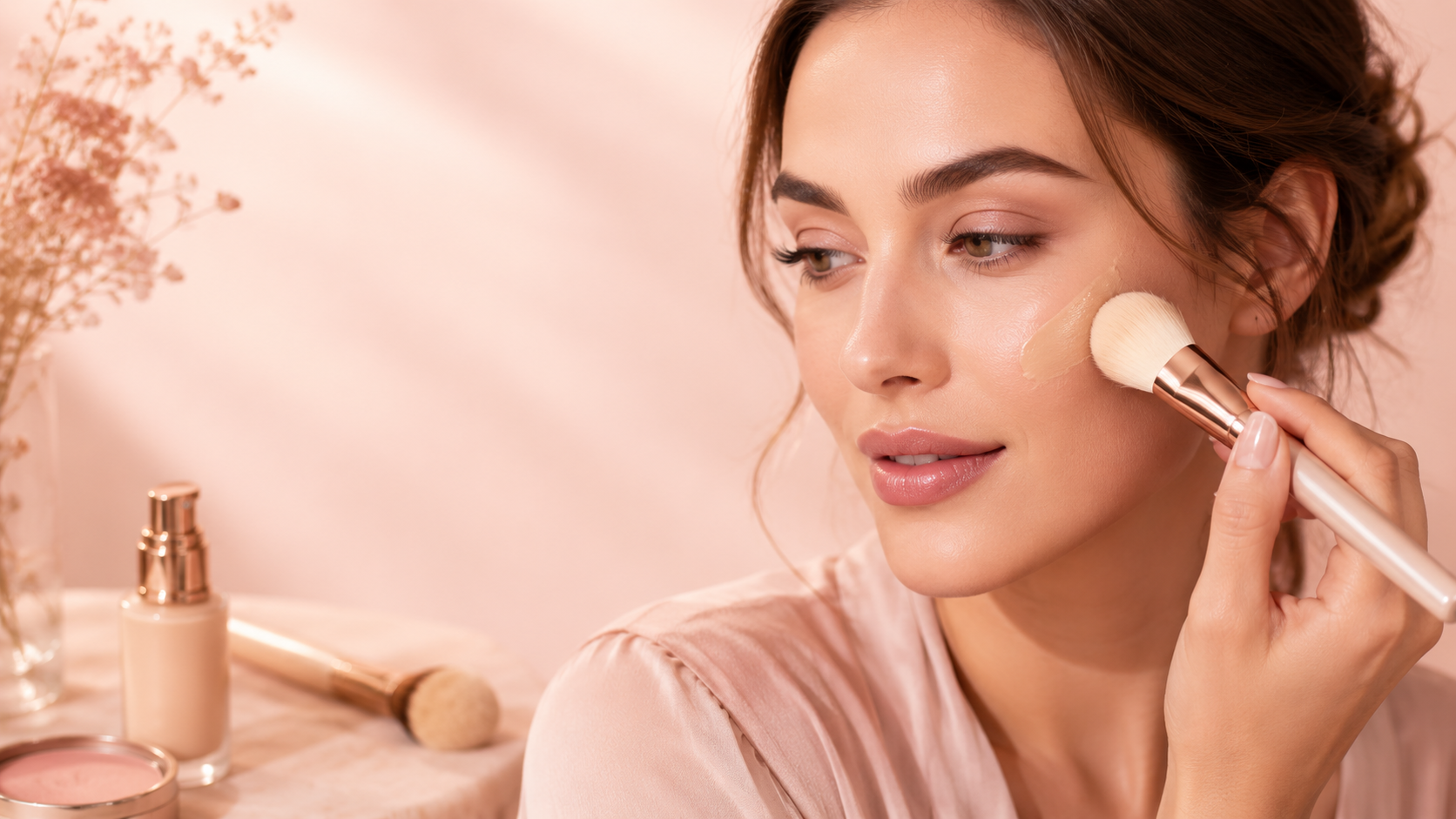
How to Apply Foundation for Beginners
Learning how to apply foundation starts before the foundation ever touches your face. The way your skin is prepped can change how smooth your foundation looks, how long it lasts, and whether it settles into dry patches or fine lines. Foundation sits best on skin that is clean, lightly moisturized, and not overloaded with too many heavy layers underneath.
The biggest foundation mistake is using too much product too fast. A small amount blended well usually looks better than a thick layer applied all over the face. You can always add more foundation where you need extra coverage, but it is much harder to fix foundation once too much has been applied.
This guide keeps the steps simple. You will learn how to prep your skin, apply foundation in thin layers, blend with a brush or sponge, add coverage only where needed, and avoid a cakey finish.
How to Apply Foundation Step by Step
Use these steps when you want your foundation to look smoother and more natural. You do not have to rush through the process. Give each step a moment to settle before moving on to the next part of your makeup.
1. Start With Clean Skin
Foundation applies best when your skin is clean and fresh. Remove leftover makeup, oil, or heavy skincare before starting. Clean skin helps foundation grip more evenly and keeps the finish from looking patchy.
2. Moisturize Lightly
Use a moisturizer that fits your skin type. Dry skin may need a richer moisturizer, while oily skin may do better with a lighter one. Let it settle for a few minutes before applying foundation.
3. Use Primer Only If You Need It
You do not always need primer. If your foundation already sits well, skip it. If your makeup separates, gets oily, or clings to texture, a primer may help. Use a small amount only where needed.
4. Start With a Small Amount
Place a small amount of foundation on the back of your hand, a palette, or directly on the face in thin dots. Starting small gives you more control and helps prevent cakey makeup.
5. Blend From the Center Out
Most people need the most coverage around the center of the face. Blend foundation outward toward the hairline and jaw. This keeps coverage where you need it and avoids a heavy edge.
6. Use a Sponge or Brush
A damp sponge can give a softer, more natural finish. A brush can give more coverage. You can also use both: brush foundation on first, then tap over it with a damp sponge to soften the finish.
7. Add Coverage Only Where Needed
Do not add another layer everywhere unless your whole face needs it. Add a little more foundation only on redness, uneven areas, or spots that need extra blending.
8. Check the Jawline
Blend foundation down slightly toward the jaw and neck so there is no obvious line. This is especially important if your foundation shade is not a perfect match.
9. Let It Settle
After blending, let the foundation sit for a moment before adding concealer, powder, blush, or bronzer. Sometimes foundation looks better once it warms into the skin.
10. Set Only Where Needed
Use powder lightly in areas that crease, shine, or move. If your skin is dry, avoid powdering the whole face heavily. Too much powder can make foundation look thicker than it really is.
Chele’s pro tip: if you have dry skin but still want to use setting powder, use a damp sponge, dip the sponge lightly into powder, pat it on your hand first to remove the excess, then gently press the powder onto the skin. This helps set makeup without applying too much powder.
Foundation Brush vs Sponge: Which One Is Better?
When learning how to apply foundation, one of the most common questions is whether you should use a brush or a sponge. The truth is that both can work. The best choice depends on the finish you want and how much coverage you need.
Use a Brush for More Coverage
A foundation brush can spread product quickly and usually gives more coverage. It is helpful when you want a more polished look or when you want to cover unevenness without using too many layers.
Use a Sponge for a Softer Finish
A damp sponge can press foundation into the skin and soften edges. It can make foundation look less heavy, especially if you accidentally applied too much product.
You can also use both. Apply foundation with a brush first, then bounce a damp sponge over the face to smooth everything together. This can give coverage and softness at the same time.
How to Apply Foundation Without Looking Cakey
Cakey foundation usually happens when there is too much product, too much powder, dry skin underneath, or layers that have not blended together well. If your foundation looks heavy, do not keep adding more makeup to fix it. First, look at what might be causing the texture.
- Use less foundation at the beginning and build slowly.
- Moisturize dry areas before applying foundation.
- Avoid heavy powder all over the face if your skin is dry or textured.
- Blend around the nose, mouth, jawline, and hairline carefully.
- Use a damp sponge to press over areas that look too thick.
- Let foundation settle before deciding whether you need more coverage.
If your foundation keeps looking heavy, the problem may not be your technique. It may be the wrong formula for your skin type. Some foundations are made for oily skin, some are better for dry skin, and some are more forgiving on texture.
What Comes After Foundation?
After you learn how to apply foundation, the next step is usually concealer. Foundation evens out the whole face, but concealer gives extra help in smaller areas like under the eyes, around the nose, or on spots that need more coverage.
Once your foundation and concealer are blended, you can move into color and shape. That includes how to apply blush, how to apply bronzer, and how to apply highlighter. These steps bring warmth, life, and glow back into the face after the base is evened out.
If you want to see how the whole routine comes together, visit the full beat makeup tutorial. If you want to browse the full tutorial library, go back to the makeup tutorials hub.
For general cosmetic safety and product hygiene, you can also review the FDA cosmetics safety page. Clean tools and fresh products matter, especially when you are applying products directly to the skin.
Beginner Foundation Mistakes to Avoid
Using Too Much Product
More foundation does not always mean better coverage. Too much product can sit on top of the skin and make texture look stronger. Start thin and build only where needed.
Skipping Skin Prep
If the skin underneath is dry, oily, or not prepped well, foundation may not sit smoothly. Simple skin prep can make the finished makeup look much better.
Not Blending the Edges
The hairline, jawline, nose, and mouth area need careful blending. These are the places where foundation lines or texture often show first.
Powdering Too Heavily
Powder can help foundation last, but too much powder can make makeup look dry or thick. Set only the areas that need it, especially if your skin is mature or dry.
Related Makeup Tutorials
Use these pages next to keep building your makeup routine in the right order.
How to Apply Foundation FAQ
Should foundation go on before concealer?
Most of the time, yes. Foundation usually goes on first because it evens out the skin. Then concealer can be used only where extra coverage or brightness is needed.
Is a brush or sponge better for foundation?
A brush usually gives more coverage, while a damp sponge usually gives a softer finish. Many people like using both: brush first, then sponge to smooth the final look.
How do I stop foundation from looking cakey?
Use thin layers, prep the skin, blend well, and avoid too much powder. If foundation already looks too thick, press over it with a damp sponge to soften the finish.
Makeup By Chele Tutorial
How to Apply Foundation – Easy Beginner Makeup Guide
How to apply foundation is one of the first makeup skills most beginners want to learn, because foundation affects the way every other product looks on top of the skin. When foundation is blended well, the rest of your makeup usually looks smoother, softer, and more polished.
If you are learning how to apply foundation for the first time, the goal is not to cover every inch of your face with a thick layer. The goal is to even out the skin, soften redness, and create a smooth base that still looks like skin.
Foundation does not have to look cakey, heavy, or mask-like. The secret is skin prep, choosing the right amount of product, using thin layers, and blending before adding more. This beginner guide will walk you through how to apply foundation in a simple way that feels realistic for everyday makeup.
This page is part of the Makeup Tutorials section on Makeup By Chele. After you learn foundation, the next step is learning how to apply concealer so your base looks even more finished.
How to Apply Foundation for Beginners
Learning how to apply foundation starts before the foundation ever touches your face. The way your skin is prepped can change how smooth your foundation looks, how long it lasts, and whether it settles into dry patches or fine lines. Foundation sits best on skin that is clean, lightly moisturized, and not overloaded with too many heavy layers underneath.
The biggest foundation mistake is using too much product too fast. A small amount blended well usually looks better than a thick layer applied all over the face. You can always add more foundation where you need extra coverage, but it is much harder to fix foundation once too much has been applied.
Once you understand how to apply foundation in light layers, your makeup will usually look smoother and more natural. This guide keeps the steps simple so you can prep your skin, blend with a brush or sponge, add coverage only where needed, and avoid a cakey finish.
How to Apply Foundation Step by Step
Use these steps when you want your foundation to look smoother and more natural. You do not have to rush through the process. Give each step a moment to settle before moving on to the next part of your makeup.
The easiest way to learn how to apply foundation is to start small, blend well, and build coverage only where your skin needs it. That keeps the finish softer and helps prevent the heavy look beginners often worry about.
1. Start With Clean Skin
Foundation applies best when your skin is clean and fresh. Remove leftover makeup, oil, or heavy skincare before starting. Clean skin helps foundation grip more evenly and keeps the finish from looking patchy.
2. Moisturize Lightly
Use a moisturizer that fits your skin type. Dry skin may need a richer moisturizer, while oily skin may do better with a lighter one. Let it settle for a few minutes before applying foundation.
3. Use Primer Only If You Need It
You do not always need primer. If your foundation already sits well, skip it. If your makeup separates, gets oily, or clings to texture, a primer may help. Use a small amount only where needed.
4. Start With a Small Amount
Place a small amount of foundation on the back of your hand, a palette, or directly on the face in thin dots. Starting small gives you more control and helps prevent cakey makeup.
5. Blend From the Center Out
Most people need the most coverage around the center of the face. Blend foundation outward toward the hairline and jaw. This keeps coverage where you need it and avoids a heavy edge.
6. Use a Sponge or Brush
A damp sponge can give a softer, more natural finish. A brush can give more coverage. You can also use both: brush foundation on first, then tap over it with a damp sponge to soften the finish.
7. Add Coverage Only Where Needed
Do not add another layer everywhere unless your whole face needs it. Add a little more foundation only on redness, uneven areas, or spots that need extra blending.
8. Check the Jawline
Blend foundation down slightly toward the jaw and neck so there is no obvious line. This is especially important if your foundation shade is not a perfect match.
9. Let It Settle
After blending, let the foundation sit for a moment before adding concealer, powder, blush, or bronzer. Sometimes foundation looks better once it warms into the skin.
10. Set Only Where Needed
Use powder lightly in areas that crease, shine, or move. If your skin is dry, avoid powdering the whole face heavily. Too much powder can make foundation look thicker than it really is.
Chele’s pro tip: if you have dry skin but still want to use setting powder, use a damp sponge, dip the sponge lightly into powder, pat it on your hand first to remove the excess, then gently press the powder onto the skin. This helps set makeup without applying too much powder.
Foundation Brush vs Sponge: Which One Is Better?
When learning how to apply foundation, one of the most common questions is whether you should use a brush or a sponge. The truth is that both can work. The best choice depends on the finish you want and how much coverage you need.
Use a Brush for More Coverage
A foundation brush can spread product quickly and usually gives more coverage. It is helpful when you want a more polished look or when you want to cover unevenness without using too many layers.
Use a Sponge for a Softer Finish
A damp sponge can press foundation into the skin and soften edges. It can make foundation look less heavy, especially if you accidentally applied too much product.
You can also use both. Apply foundation with a brush first, then bounce a damp sponge over the face to smooth everything together. This can give coverage and softness at the same time.
How to Apply Foundation Without Looking Cakey
Cakey foundation usually happens when there is too much product, too much powder, dry skin underneath, or layers that have not blended together well. If your foundation looks heavy, do not keep adding more makeup to fix it. First, look at what might be causing the texture.
A big part of learning how to apply foundation is learning when to stop adding product. Foundation should even the skin, but it does not need to erase every bit of natural texture. Skin still has pores, lines, and movement, and that is normal.
- Use less foundation at the beginning and build slowly.
- Moisturize dry areas before applying foundation.
- Avoid heavy powder all over the face if your skin is dry or textured.
- Blend around the nose, mouth, jawline, and hairline carefully.
- Use a damp sponge to press over areas that look too thick.
- Let foundation settle before deciding whether you need more coverage.
If your foundation keeps looking heavy, the problem may not be your technique. It may be the wrong formula for your skin type. Some foundations are made for oily skin, some are better for dry skin, and some are more forgiving on texture.
What Comes After Foundation?
After you learn how to apply foundation, the next step is usually concealer. Foundation evens out the whole face, but concealer gives extra help in smaller areas like under the eyes, around the nose, or on spots that need more coverage.
Once your foundation and concealer are blended, you can move into color and shape. That includes how to apply blush, how to apply bronzer, and how to apply highlighter. These steps bring warmth, life, and glow back into the face after the base is evened out.
If you want to see how the whole routine comes together, visit the full beat makeup tutorial. If you want to browse the full tutorial library, go back to the makeup tutorials hub.
For general cosmetic safety and product hygiene, you can also review the FDA cosmetics safety page. Clean tools and fresh products matter, especially when you are applying products directly to the skin.
Beginner Foundation Mistakes to Avoid
Using Too Much Product
More foundation does not always mean better coverage. Too much product can sit on top of the skin and make texture look stronger. Start thin and build only where needed.
Skipping Skin Prep
If the skin underneath is dry, oily, or not prepped well, foundation may not sit smoothly. Simple skin prep can make the finished makeup look much better.
Not Blending the Edges
The hairline, jawline, nose, and mouth area need careful blending. These are the places where foundation lines or texture often show first.
Powdering Too Heavily
Powder can help foundation last, but too much powder can make makeup look dry or thick. Set only the areas that need it, especially if your skin is mature or dry.
Related Makeup Tutorials
Use these pages next to keep building your makeup routine in the right order.
How to Apply Foundation FAQ
Should foundation go on before concealer?
Most of the time, yes. Foundation usually goes on first because it evens out the skin. Then concealer can be used only where extra coverage or brightness is needed.
Is a brush or sponge better for foundation?
A brush usually gives more coverage, while a damp sponge usually gives a softer finish. Many people like using both: brush first, then sponge to smooth the final look.
How do I stop foundation from looking cakey?
Use thin layers, prep the skin, blend well, and avoid too much powder. If foundation already looks too thick, press over it with a damp sponge to soften the finish.
Once you know how to apply foundation in thin, blended layers, the rest of your makeup routine becomes easier because every product has a smoother base to sit on.
Want to keep learning? Go back to the main tutorial library and choose the next makeup step. This how to apply foundation guide is only the first step in the full beginner makeup tutorial series.
Back to Makeup TutorialsWant to keep learning? Go back to the main tutorial library and choose the next makeup step.
Back to Makeup Tutorials