
Setting powder for dry skin can stop cakey makeup when you use the right amount, the right placement, and a softer technique.
Setting Powder for Dry Skin – Best Fix for Cakey Makeup
If powder makes your makeup look older, heavier, flaky, or dry, it does not always mean you can never use powder. It usually means the powder, amount, placement, or technique needs to change.
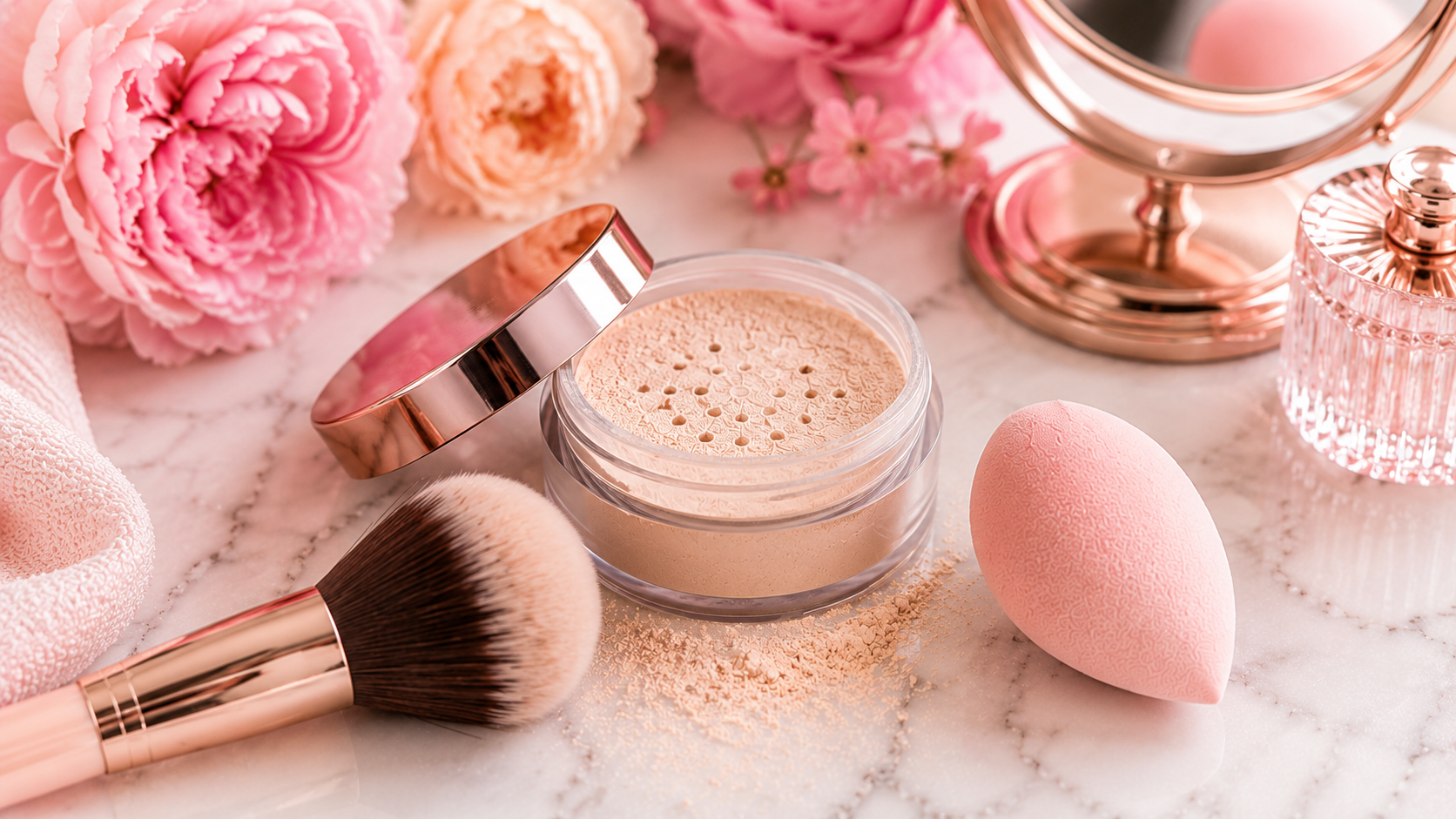
Why Setting Powder for Dry Skin Can Look Cakey
Setting powder for dry skin can be tricky because dry skin already has less slip, less natural glow, and sometimes more visible texture. When powder is added too heavily, it can grab onto dry patches and make foundation look thicker than it really is. Instead of setting the makeup softly, it can make the skin look flat, tight, or cakey.
The problem is not always the powder itself. A lot of the time, the issue is using too much product or putting it in the wrong places. Many makeup tutorials show heavy powder under the eyes, along the cheeks, around the mouth, and across the forehead. That may work for oily skin or bright camera lighting, but it can be too much for dry or mature skin in real life.
Setting powder for dry skin works best when it is used only where makeup truly needs to be set. That might be under the eyes, around the nose, on the chin, or anywhere foundation moves during the day. You do not have to powder the entire face just because you are using foundation.
The goal is not to make the skin look dry. The goal is to lock makeup in place while keeping the face soft, flexible, and natural-looking. When setting powder for dry skin is used correctly, it should make your makeup last better without making your face look dusty or overdone.
Do You Really Need Setting Powder for Dry Skin?
You may not need powder every day. If your foundation sets down on its own and does not move around, you can skip powder or use a very small amount only where needed. Some foundations are self-setting, meaning they dry down enough without much help. Other foundations stay creamy and need a little powder to keep them from transferring.
The easiest way to decide is to look at how your makeup wears. If your foundation looks good at first but separates around your nose, settles near your mouth, or creases under your eyes, setting powder for dry skin may help. If your foundation already looks dry right after you apply it, powder may make it worse unless you change your prep first.
Dry skin needs balance. You want enough powder to keep makeup from sliding, but not so much that it steals the softness from your face. Most women with dry skin need much less powder than they think.
A good rule is to powder only the areas that misbehave. If your cheeks look pretty and smooth, leave them alone. If your nose breaks apart, powder the nose. If your concealer creases, set the concealer. Setting powder for dry skin should be targeted, not automatic.
How to Prep Before Setting Powder for Dry Skin
Powder will only look as good as the layers underneath it. If your skincare is too heavy, too slippery, or not fully settled, powder can cling strangely or make the makeup patchy. If your skin is dehydrated or flaky, powder can emphasize that too.
Before using setting powder for dry skin, start with gentle skin prep. Use a moisturizer that leaves your skin comfortable but not greasy. If you wear sunscreen during the day, give it time to settle before makeup. Then apply your foundation in thin layers.
If you use primer before makeup, choose one that makes sense for dry skin. A hydrating or smoothing primer may help foundation glide better, while a very matte primer may make dry skin look tighter. Primer is optional, but when used correctly, it can help reduce the need for heavy powder.
Chele tip: If your foundation already looks dry before powder, do not try to fix it with powder. Fix the skin prep, use less foundation, or switch to a more flexible base first.
The better the base looks before powder, the less powder you will need. That is why setting powder for dry skin starts before the powder ever touches your face.
The Damp Sponge Trick for Setting Powder for Dry Skin
This is one of my favorite professional makeup artist tricks for dry skin. If you want to set your makeup but powder usually makes your face look too heavy, use a damp makeup sponge instead of loading a dry brush with powder.
Take a clean damp sponge, dip it lightly into your setting powder, and then tap the sponge on the back of your hand first. This removes the extra powder so you do not press too much onto the face. Then gently press the sponge onto the areas where you need the makeup set.
The key is that the sponge should be damp, not soaking wet. It should feel soft and bouncy. Press the powder into the skin instead of dragging it across the face. This helps the powder melt into the makeup more softly, instead of sitting on top like a dry layer.
Chele tip: Damp sponge, light powder, tap off the excess on your hand, then gently press. This can set dry skin without making the makeup look dusty, thick, or cakey.
This technique works especially well around the center of the face, the sides of the nose, and the chin. For under the eyes, use very little powder and avoid pressing too much product directly into fine lines. If you want setting powder for dry skin to look smooth, pressure matters as much as product amount.
Where to Put Setting Powder for Dry Skin
You do not need to powder every inch of your face. In fact, powdering the whole face is one of the fastest ways to make dry skin look older or more textured. Strategic powder placement is much more flattering.
Start by setting only the areas that crease, move, or transfer. For many women, that means under the eyes, around the nostrils, the smile line area, the chin, and possibly the center of the forehead. The cheeks can often be left alone, especially if you want the skin to keep a natural glow.
If your blush, bronzer, or contour applies better over a lightly set base, you can use a tiny amount of powder before adding those products. But if your cream products blend nicely over your foundation, you may not need to powder first.
- Powder lightly under the eyes only if concealer creases.
- Set around the nose if foundation breaks apart there.
- Use a small amount on the chin if makeup transfers.
- Skip the cheeks if they already look smooth and fresh.
- Avoid heavy powder on dry patches or textured areas.
Setting powder for dry skin should be treated like spot-setting. You are not frosting the whole cake. You are gently setting the areas that need help.
Loose Powder vs. Pressed Powder for Dry Skin
Both loose powder and pressed powder can work, but they behave a little differently. Loose powder can be beautiful when used lightly because it is easy to pick up a tiny amount. Pressed powder can be convenient for touch-ups, but it can also go on heavier if you press too hard or use a dense sponge.
If you have dry skin, look for powders that feel finely milled and soft. Avoid anything that looks chalky, thick, or overly matte on your skin. A powder can look good in the package but still be too dry on the face.
Translucent powders can work, but they are not automatically invisible on every skin tone. Tinted powders may blend better for some people. The most important thing is how the powder looks in natural light after it has settled into your makeup.
For touch-ups during the day, try blotting first before adding more powder. If you keep layering powder on top of makeup, oil, texture, and dryness, the face can start to look heavy. Sometimes a tissue, blotting paper, or clean sponge press is enough.
The best setting powder for dry skin is not always the most popular one online. It is the one that sets your makeup without stealing comfort, glow, or softness.
How Much Setting Powder for Dry Skin Should You Use?
Less than you think. That is usually the answer. With dry skin, a tiny amount of powder can make a big difference. You should not be able to see a thick powder layer sitting on top of the skin.
If you are using a brush, tap off the excess before touching your face. If you are using a sponge, tap the sponge on the back of your hand first. If you can see powder collecting in one spot, you probably have too much.
Setting powder for dry skin should be used like a finishing detail, not a mask. You are not trying to erase your foundation. You are just helping the makeup stay where it needs to stay.
Quick rule: Powder the problem, not the whole face. If only your nose gets shiny, only powder the nose. If only your concealer creases, only powder the concealer.
If your makeup looks better before powder than after powder, that is your sign to use less. Setting powder for dry skin should improve the makeup, not make you wish you had stopped earlier.
Common Powder Mistakes That Make Makeup Look Cakey
Cakey makeup is usually caused by layers that are too thick, too dry, or not blended well together. Powder can make that worse when it is used too heavily. If you are already trying to fix cakey makeup, powder is one of the first steps to look at.
- Using too much foundation before powder.
- Applying powder before foundation has settled.
- Baking dry or mature skin for too long.
- Using a very matte powder on already dry skin.
- Powdering over dry patches instead of prepping them first.
- Layering powder again and again during the day.
Baking can be especially tricky for dry skin. It may look smooth in a short video or under bright lights, but in real life it can make the under-eye area look dry and textured. Most everyday makeup does not need heavy baking.
If you love a full beat, you can still use powder. Just be careful with amount and timing. Setting powder for dry skin can work with full makeup, but it should not be piled on just because the look is glam.
Setting Powder for Dry Skin Over 40
Mature skin and dry skin often need similar powder rules. Use less, place it carefully, and keep the skin flexible. Heavy powder can settle into lines and make the face look more tired. That does not mean mature skin can never use powder. It just means the technique matters.
Around fine lines, use the smallest amount possible. Before powdering under the eyes, gently smooth out any concealer creases with your finger, brush, or sponge. Then set that area lightly. If you powder over a crease, you may lock the crease in place.
If you like softer, more flattering makeup tips over 40, think of powder as a detail step. The face usually looks fresher when some natural dimension and glow remain. Powder should help your makeup last, not make your skin look flat.
Setting powder for dry skin over 40 is not about chasing a perfectly matte face. It is about setting the makeup enough so it stays pretty while still letting your skin look alive.
Can Setting Spray Help Powder Look Better?
Setting spray can sometimes help powder melt into the makeup and look less dry. It does not erase bad powder placement, but it can soften the finish when the makeup looks a little too powdery.
If you use setting spray, let the spray dry naturally instead of immediately touching your face. You can also gently press over the skin with a clean sponge after the spray has settled, but do not rub. The goal is to help the layers look more connected.
Setting spray and setting powder do different things. Powder helps reduce movement, shine, and transfer. Spray can help the finish look more skin-like and help makeup wear better, depending on the formula. You may use one, both, or neither depending on the makeup look.
When setting powder for dry skin looks a little too flat, a light mist can help bring softness back. Just do not soak the face or disturb the makeup you just set.
A Simple Setting Powder for Dry Skin Routine
If you want a simple way to use setting powder for dry skin, keep the routine soft and controlled. Start with hydrated skin, apply foundation in thin layers, and use concealer only where needed. Then look at your face before reaching for powder.
- Prep the skin with moisturizer and sunscreen.
- Apply primer only if your skin needs it.
- Use a thin layer of foundation.
- Smooth out any creasing before powder.
- Use a damp sponge or fluffy brush with a tiny amount of powder.
- Press powder only where makeup moves or creases.
- Leave the rest of the face soft and fresh.
This kind of routine fits well with an everyday makeup routine because it does not overload the skin. It gives you enough setting power without taking away the softness that makes makeup look flattering.
Once you learn where your makeup actually needs help, setting powder for dry skin becomes much easier. You stop powdering out of habit and start powdering with purpose.
Final Thoughts on Setting Powder for Dry Skin
Setting powder for dry skin is not about covering the face in powder. It is about using the smallest amount possible in the places where makeup needs help. When you use the right powder, the right amount, and the right technique, dry skin can still look soft, smooth, and polished.
The damp sponge trick is one of the easiest ways to make powder look less harsh. Dip lightly, tap off the excess, and press gently. That one small change can keep your base from looking dusty or cakey.
Do not feel like you have to follow every trend. If your skin looks better with very little powder, that is your answer. Makeup should work with your skin, not fight against it.
Setting powder for dry skin can be one of the best fixes for cakey makeup when you stop using it like a heavy layer and start using it like a soft finishing tool.
For general cosmetic safety information, you can also visit the official FDA cosmetics information page .