
Primer before makeup can make your foundation look smoother, but only when you use the right kind for your skin and your makeup.
Primer Before Makeup – Do You Really Need It?
If primer has ever confused you, you are not alone. Some people swear by it, some skip it completely, and some use the wrong one and wonder why their foundation looks worse instead of better.
What Does Primer Before Makeup Actually Do?
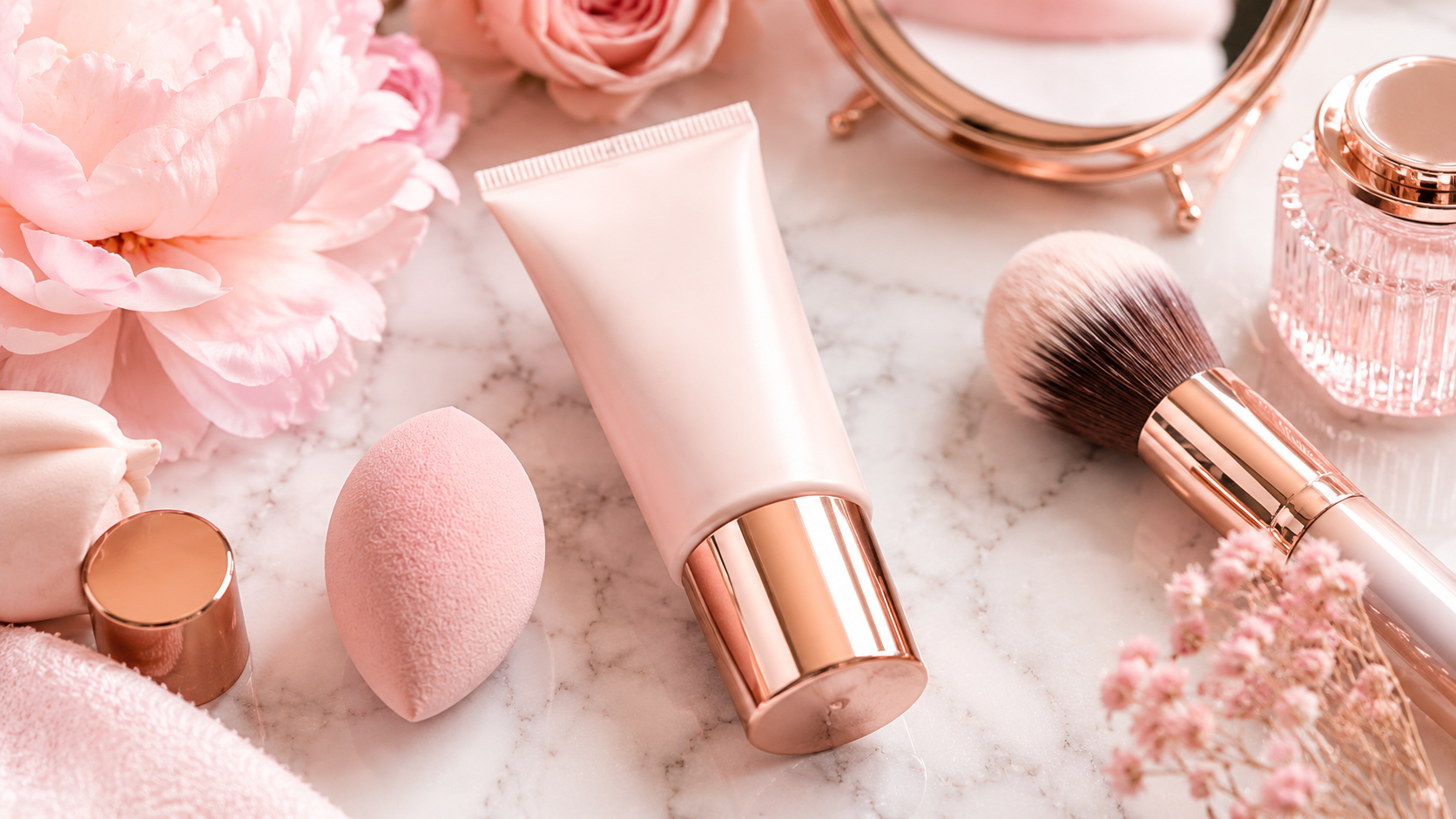
Primer before makeup is meant to create a smoother layer between your skin and your foundation. Depending on the formula, primer can help with grip, hydration, shine control, texture, pores, or makeup wear time. The important part is understanding that primer is not one single type of product. A mattifying primer, a gripping primer, a hydrating primer, and a smoothing primer can all behave very differently on the skin.
This is why one woman may say primer changed her makeup completely, while another woman may say primer made her foundation separate. They may both be right. The result depends on skin type, skin prep, foundation formula, and how much product is being used.
Primer is not required for every face or every makeup routine. It is a helper product. When your skin prep and foundation already work well together, you may not need primer at all. But when your makeup fades quickly, settles into texture, clings to dry patches, or slides around by lunchtime, the right primer can make a noticeable difference.
The biggest mistake is thinking primer is supposed to erase skin. It is not a filter, and it cannot make normal pores, lines, or texture disappear. Real skin still looks like skin. A good primer simply helps makeup sit better on top of that skin. When you use it with realistic expectations, it becomes much easier to decide whether it belongs in your routine.
When Primer Before Makeup Helps the Most
Primer tends to help most when there is a specific problem you are trying to fix. It is not just an extra step for the sake of adding more product. Think of it as a targeted makeup prep step. You do not have to use the same primer everywhere, and you do not have to use it every single day.
- If your makeup disappears quickly: a gripping primer may help your foundation stay in place longer.
- If your skin looks dry under foundation: a hydrating primer may soften the look of dry patches.
- If your T-zone gets shiny: a mattifying primer may help control oil in specific areas.
- If foundation emphasizes pores or texture: a smoothing primer may blur the look of uneven areas.
- If your makeup separates: the issue may be skin prep, too much product, or formulas that do not work well together.
Chele tip: Do not automatically put primer all over your face. Use it where you need help. Many women only need primer on the center of the face, around the nose, on the chin, or where makeup wears off first.
If you already struggle with cakey makeup, using too much primer can make the problem worse. Thin layers almost always look better than thick layers, especially on dry, textured, or mature skin.
Primer can also help when your skin and foundation are not quite meeting in the middle. For example, if your foundation looks beautiful for the first hour but starts breaking apart later, a thin layer of the right primer may give the makeup something better to hold onto. If your foundation looks patchy as soon as you apply it, the issue may be dryness, uneven skincare, or not letting your moisturizer settle before makeup.
How to Choose the Right Primer for Your Skin
The best primer before makeup depends on what your skin is doing that day. Skin changes with weather, hormones, age, dryness, products, and even stress. A primer that worked beautifully last summer may not feel right in winter. A primer that looks great on oily skin may look heavy on dry skin.
Choosing primer is easier when you stop asking, “What is the best primer?” and start asking, “What do I need my primer to do?” That one question keeps you from buying a product just because it went viral. Makeup works better when it is chosen for your face, not someone else’s lighting, filter, or skin type.
For Dry Skin
Dry skin usually does better with a hydrating or creamy primer. You want something that helps foundation glide instead of grabbing onto flaky areas. Avoid using too much powdery, mattifying, or pore-filling primer all over the face if your skin is already dry.
If your skin is dry, primer should not feel tight. It should feel comfortable and flexible. You may even find that a good moisturizer works better than a traditional primer. Let the skin feel soft and settled before foundation, not wet, greasy, or overloaded.
For Oily Skin
Oily skin may benefit from a mattifying primer, but it still should not feel tight or heavy. Try using it only on the areas that get shiny first, such as the forehead, nose, and chin. You can keep the outer parts of the face softer and more natural.
A common mistake with oily skin is trying to make the whole face completely matte. That can make makeup look flat and heavy. Instead, control shine where you need it and let the rest of the face keep a little life. Balanced skin usually looks more flattering than skin that looks dry from too many oil-control products.
For Mature Skin
Mature skin often looks best with lightweight, flexible layers. Heavy silicone primer, too much powder, and thick foundation can settle into lines and make the skin look more textured. A hydrating or soft smoothing primer may be more flattering than a very dry matte primer.
For mature skin, the goal is not to cover every line. The goal is to keep makeup from gathering heavily in those lines. A thin primer layer, a lighter foundation layer, and careful powder placement can make the skin look fresher without looking overdone.
For Large Pores or Texture
A smoothing primer can help blur the look of pores, but it works best when pressed lightly into the area instead of rubbed aggressively. Let it sit for a minute before applying foundation. Then apply foundation in thin layers instead of trying to cover texture with more product.
Texture usually becomes more noticeable when there is too much product sitting on top of it. Primer may soften the look, but foundation application matters too. A sponge, brush, or fingers can all work, but whatever tool you use, try pressing and blending instead of dragging product back and forth over the same area.
How to Apply Primer Before Makeup
Primer should be applied after skincare and sunscreen, but before foundation or concealer. The key is to let your skincare settle first. If your moisturizer or sunscreen is still wet or slippery, primer may not sit correctly on top.
- Apply skincare and sunscreen first.
- Wait a few minutes so the skin does not feel too wet.
- Use a small amount of primer, usually less than you think.
- Apply primer only where you need it.
- Let primer sit briefly before adding foundation.
- Use thin layers of foundation for the smoothest finish.
If you are doing a full routine, primer fits nicely after skin prep and before complexion products. You can also look at my everyday makeup routine if you want a simple order that does not feel overwhelming.
Important: More primer does not mean smoother makeup. Too much primer can cause foundation to slide, pill, separate, or sit on top of the skin.
When applying primer, start with a pea-sized amount or even less. Warm it between your fingers if it is creamy, then press it into the areas where makeup needs help. Around the nose, chin, smile lines, and center of the forehead are common places where makeup may fade or separate. You do not need to coat the entire face unless the primer truly benefits the entire face.
After applying primer, give it a moment. You do not need to wait forever, but you do want it to settle enough that it is not sliding around. Then apply foundation in thin layers. If you need more coverage, build slowly only where needed. That usually looks more natural than one thick layer all over.
Do Primer and Foundation Formulas Need to Match?
Sometimes primer and foundation do not work well together because the formulas are not compatible. This is one reason makeup can pill, ball up, separate, or look strange even when both products are good on their own. It does not always mean either product is bad. It may simply mean they are not a good match.
You may have heard people talk about water-based, silicone-based, or oil-based products. That can matter, but you do not have to become a chemist to wear makeup. The practical way to test compatibility is simple: apply your skincare, apply a small amount of primer, wait a moment, and then apply foundation. If it balls up or separates quickly, try using less product, waiting longer between layers, or pairing that foundation with a different primer.
If your makeup pills, do not immediately blame the foundation. Pilling often happens when too many skincare layers are underneath, when sunscreen has not settled, when primer is rubbed too aggressively, or when products are layered too quickly. Gentle pressing usually works better than rubbing when you are layering face products.
When You Can Skip Primer
You do not always need primer before makeup. If your moisturizer works well under your foundation, your makeup lasts long enough for your day, and your base already looks smooth, you may be fine without it.
Primer is also not a replacement for good skin prep. If your skin is dehydrated, flaky, irritated, or overloaded with too many products, primer may not fix the problem. In that case, simplifying your skincare and using lighter makeup layers may help more than adding another step.
You can skip primer when your foundation already wears well, when you are doing a quick light makeup day, or when your skin feels balanced. You may also skip it if you notice primer makes your makeup pill or separate. Not every product is meant for every face, and that is okay.
Many women feel like they are doing makeup wrong if they skip a step they see online. But real-life makeup should fit your real life. If you are only wearing a little concealer, mascara, blush, and lip color, you may not need primer. If you are going to an event, taking pictures, or wearing a fuller face for several hours, primer may be more useful.
Primer Mistakes That Can Ruin Your Makeup
One of the biggest primer mistakes is using the wrong type for your skin. A heavy matte primer on dry skin can make makeup look older, tighter, or more textured. A rich hydrating primer on very oily skin can make foundation move around faster.
Another common mistake is layering too many products too quickly. Moisturizer, sunscreen, primer, foundation, concealer, powder, and setting spray all need to work together. If one layer does not have time to settle, the next layer may not sit smoothly.
Using primer to cover every issue can also backfire. If foundation is looking heavy, the answer may be less foundation, better skin prep, or a different application method. This is especially true for women who want softer, more flattering makeup tips over 40. A lighter hand often looks fresher than adding more product.
- Using too much primer all over the face.
- Applying foundation before skincare has settled.
- Choosing a matte primer when the skin is already dry.
- Using a gripping primer under a foundation that already dries quickly.
- Rubbing primer so much that skincare underneath starts to pill.
- Expecting primer to hide texture instead of simply softening the look of makeup.
How Primer Fits Into a Real Makeup Routine
In a real makeup routine, primer should make things easier, not more complicated. Think about the day you are having and the makeup look you want. If you want a soft everyday look, you may only need moisturizer, sunscreen, a light base, blush, mascara, and lip color. If you want a longer-wearing makeup look, primer may be the step that helps everything hold together better.
For a full beat, primer can be helpful because you are usually wearing more layers. But even then, the key is control. You may use a smoothing primer on the center of the face, a hydrating primer on dry areas, and no primer at all on parts of the face that already behave well. Makeup artists often customize the face instead of treating every area the same.
If your foundation looks too heavy, do not keep adding primer, foundation, powder, and spray hoping it will fix itself. Stop and look at where the problem is happening. Is it the nose? The chin? Around the mouth? Under the eyes? That tells you where to adjust. Makeup gets better when you troubleshoot one area at a time.
Final Thoughts on Primer Before Makeup
Primer before makeup can be very helpful, but it is not something every person needs every day. The best way to use primer is to choose one that matches your skin concern and apply it only where it makes sense.
If your foundation looks good without primer, you are not doing anything wrong. If your makeup fades, separates, clings, or looks uneven, primer may be worth trying. Start with a small amount, give each layer time to settle, and keep your base makeup thin and soft.
The goal is not to wear more makeup. The goal is to make your makeup look smoother, fresher, and easier to wear. Primer before makeup should support your routine, not complicate it.
The best makeup advice is usually not about adding every product possible. It is about knowing what each product does and deciding whether your face actually needs it. Primer is one of those steps that can be wonderful when it solves a problem, but unnecessary when your routine already works.
For general cosmetic safety information, you can also visit the official FDA cosmetics information page .